
Learning to paint does not require mastering complicated techniques right away. Beginners can build confidence by practicing simple methods that teach them how paint behaves, how different tools create different effects, and how small changes can transform an artwork.
Instead of focusing only on creating a perfect finished piece, practicing individual techniques can make the learning process more manageable and enjoyable.
Start With Basic Brush Strokes
One of the easiest ways to become familiar with painting is to practice different brush movements. Try making straight lines, short strokes, curves, dots, and wider marks.
Experiment with holding the brush at different angles and applying different amounts of pressure. A light touch can create delicate marks, while stronger pressure can produce broader strokes. Practicing these movements helps you understand how much control you have over the brush.
Experiment With Layering
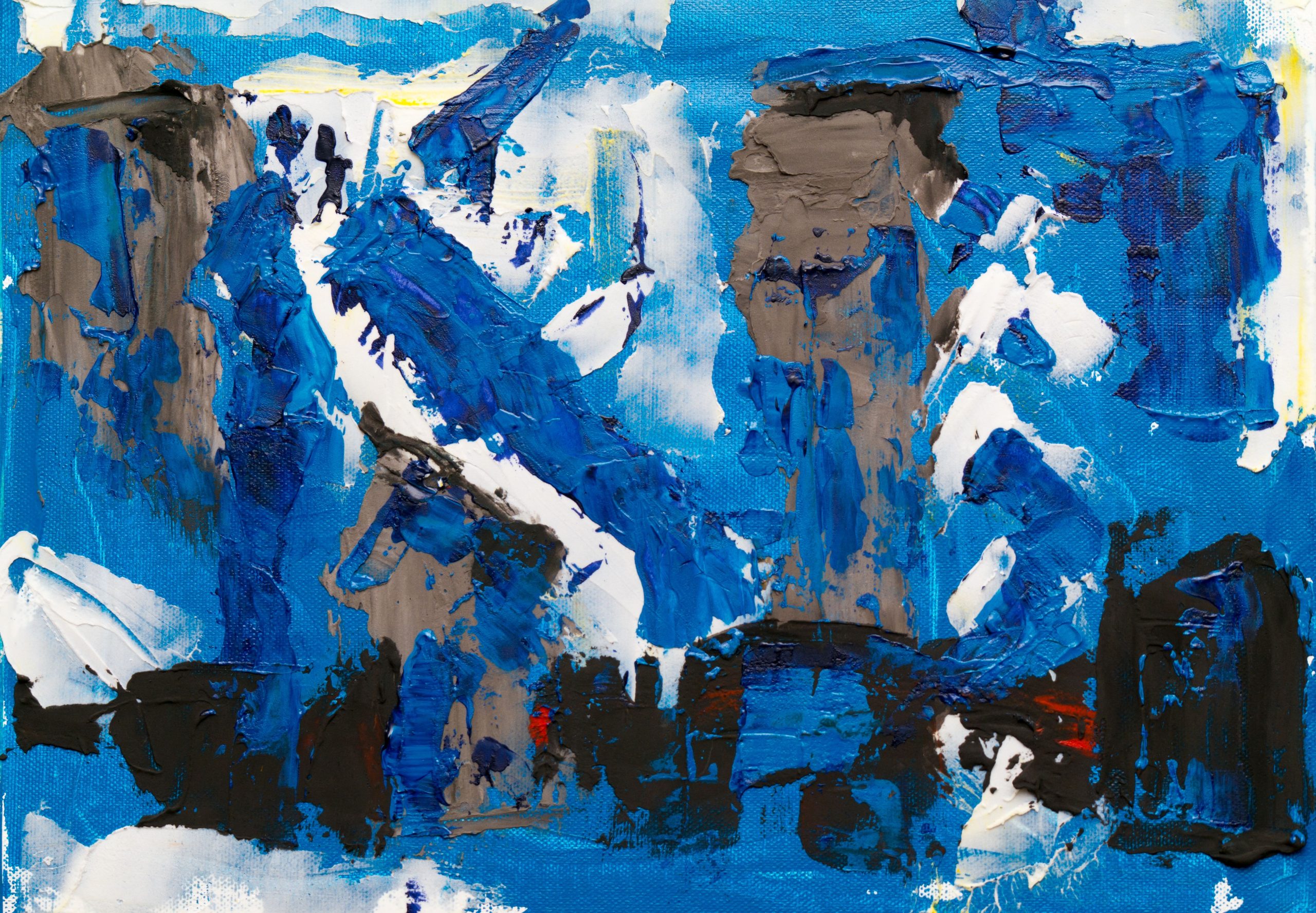
Layering involves applying one area of paint over another after the underlying layer has dried or become stable enough to work over. This technique can add depth and create more interesting surfaces.
Start with simple shapes or blocks of color. Once comfortable, try adding smaller details over larger painted areas. Working from broader sections toward finer details can help you gradually build an image without trying to complete everything at once.
Try Color Blending
Blending is a useful technique for creating gradual transitions between colors. Place two colors next to each other and gently work along the area where they meet.
You can practice blending with similar shades before moving on to stronger color differences. This allows you to observe how colors interact while developing a lighter touch with your brush.
Explore Dry Brush Effects
A dry brush technique uses a relatively small amount of paint on the brush to create a textured, broken appearance. It can be useful for suggesting rough surfaces, fine details, or subtle highlights.
Try dragging a lightly loaded brush across paper or canvas and observe how the texture changes depending on the amount of paint and pressure you use. This simple exercise can introduce a completely different look compared with smooth, fully covered strokes.
Practice Creating Texture
Paint can be used to suggest the appearance of different surfaces. You can experiment with stippling, dabbing, dragging, or using repeated marks to create visual texture.
For example, small repeated dots can suggest a rough or patterned surface, while short irregular strokes can create a more natural appearance. Try using the same color with different marks to see how much texture alone can change an area.
Learn to Build Light and Dark Areas
Understanding light and dark values can help paintings appear more dimensional. Choose a single color and create several variations by adjusting how light or dark each area appears.
Practice painting a simple object using lighter sections, middle tones, and darker areas. This exercise can help you understand how value affects the appearance of form without requiring a complicated subject.
Use Negative Space
Negative space refers to the areas surrounding and between the main subjects of an artwork. Beginners often focus heavily on the objects they are painting, but paying attention to the empty areas can improve balance and composition.
Try painting the space around a simple shape instead of painting the shape itself. This can be an interesting way to train your eye and notice relationships between different parts of an image.
Combine Techniques Gradually
Once you become comfortable with individual techniques, begin combining them in small projects. You might use smooth blending for a background, layering for larger forms, and dry brushing or texture marks for details.
There is no need to use every technique in one painting. Choose methods that support the effect you want to create and give yourself time to understand how they work together.
Practice Without Expecting Perfection
Painting techniques become easier through repetition. Some attempts may look successful while others may not turn out as expected, and both experiences can help you learn.
Keep small practice pieces so you can compare your progress over time. Seeing how your brush control, blending, texture, and use of value develop can make the learning process more rewarding.
With regular practice, simple techniques can become reliable tools for creating more confident and expressive artwork. The most important step is to keep experimenting and give yourself opportunities to discover what works best for your style.
Explore our product collection for painting supplies and creative materials for your next project.



0 Comments