Using Painting as a Creative Way to Express Yourself

Painting can be more than an activity focused on creating a finished picture. It can also provide a visual way to explore ideas, moods, memories, and personal experiences. Colors, shapes, textures, and compositions can communicate something even when there are no words involved.

You do not need to be an experienced artist to use painting as a form of self-expression. The process can begin with simple choices and gradually become a way to understand your own creative preferences.

Start With an Idea or Feeling

Before picking up a brush, think about what you want your artwork to represent. It could be a particular memory, a place you enjoy, a feeling you want to explore, or simply an idea that has been on your mind.

There is no requirement to translate the idea literally. Instead of painting an exact scene, you might use colors, shapes, and patterns that remind you of it.

Starting with an intention can give your project direction while still leaving plenty of room for experimentation.

Let Color Carry the Mood

Color can strongly influence how a painting feels. Bright combinations may create an energetic appearance, while softer or darker shades can produce a quieter atmosphere.

Think about the colors that naturally come to mind when you consider your chosen idea. You can then build a palette around those colors.

Do not feel restricted by realistic color choices. A sunset does not have to use the exact colors you see outdoors, and a landscape can be completely reimagined using an unexpected palette.

Experiment With Abstract Shapes

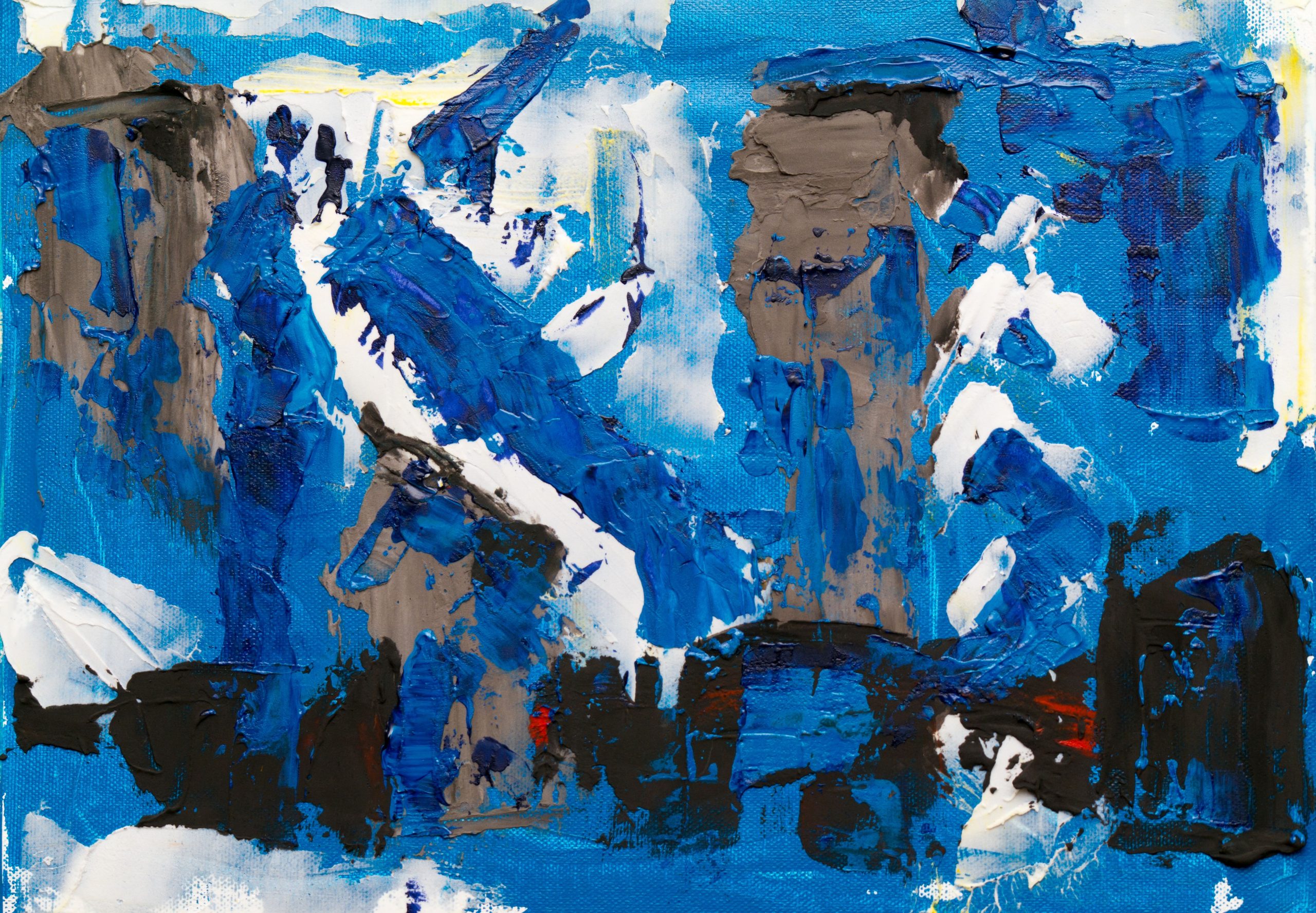
You do not always need recognizable objects to communicate an idea. Abstract painting can use lines, shapes, blocks of color, and movement to create a visual interpretation.

Try placing different shapes across the surface and consider how their size, position, and color affect one another. You might create repeated forms to represent rhythm or use contrasting shapes to create visual tension.

Abstract work can be especially useful when you have an idea or feeling that is difficult to represent through a literal image.

Paint From Personal Memories

Memories can provide meaningful inspiration for artwork. Think about a favorite place, an important moment, or an everyday scene that you remember clearly.

Instead of attempting to reproduce every detail, focus on the parts that stand out to you. Perhaps it is a particular color, a landscape, an object, or the atmosphere of the moment.

The finished painting does not need to be an exact representation. It can be your personal interpretation of the memory.

Use Marks That Feel Natural to You

Brushstrokes can contribute to the character of a painting. Some artists prefer smooth, controlled marks, while others enjoy loose strokes, visible texture, or repeated movements.

Experiment with different ways of applying paint. Try short strokes, long sweeping movements, dots, layers, or textured marks.

Pay attention to which approaches feel comfortable and which ones create effects you find interesting. Over time, these preferences can become part of your individual artistic style.

Give Yourself Permission to Change Direction

A painting may develop differently from what you originally imagined. Instead of treating an unexpected result as a failure, consider whether it can become part of the artwork.

You might cover an area with another color, add new shapes, change the composition, or build additional layers over an earlier idea.

Creative work does not always follow a straight path. Allowing yourself to make changes can lead to results you would not have discovered if you had tried to control every detail from the beginning.

Create Without Comparing

Looking at other artists can provide inspiration, but constant comparison can make creative expression feel restrictive.

Your painting does not have to resemble someone else’s technique or style. Different people notice different details, choose different colors, and approach the same subject in completely different ways.

Use other artwork as a source of ideas when helpful, but allow your own choices to guide the finished piece.

Keep a Record of Your Ideas

A small creative journal can help you collect painting ideas before you begin a new project. Write down themes, colors, subjects, or visual concepts that interest you.

You can also make quick sketches or color combinations alongside your notes. These do not need to be polished drawings. Their purpose is simply to capture ideas while they are fresh.

Over time, these notes can become a useful source of inspiration when you are unsure what to paint.

Focus on the Experience

Not every painting needs to become a finished masterpiece. Sometimes the value of a creative session comes from experimenting, making choices, and seeing where the process leads.

Giving yourself time to paint without worrying about whether the result is perfect can make the activity more enjoyable. It also gives you opportunities to discover techniques and ideas that may influence future projects.

Painting offers an open-ended way to turn thoughts and impressions into something visual. By exploring color, shapes, memories, brushwork, and personal ideas, beginners can create artwork that feels meaningful without needing to follow a strict formula.

Explore our product collection for painting supplies and creative materials to support your next artistic idea.

Exploring Creative Hobbies to Discover Your Artistic Style

Finding a creative hobby can be a rewarding way to spend your free time, learn new skills, and discover how you naturally like to create. With so many forms of art and crafting available, you do not have to choose one activity right away. Trying different hobbies can help you understand what interests you, which techniques you enjoy, and what types of creative activities feel most natural to you. Start With Your Curiosity Think about the creative activities that have caught your attention...

From First Sketch to Finished Artwork: A Simple Creative Process

Creating a finished piece of artwork often begins with a simple idea. Whether you are drawing, painting, or working with mixed media, moving from an initial concept to a completed piece can feel easier when the process is divided into manageable stages. There is no single correct way to create art. However, having a general process can help you develop your ideas while giving you enough flexibility to make changes along the way. Begin With an Idea Every artwork starts somewhere. Your starting...

Fun Weekend Crafts the Whole Family Can Enjoy

Weekends can be a great opportunity to slow down and spend meaningful time together. A simple craft project can turn an ordinary afternoon into a shared creative experience where everyone can participate, experiment, and create something they can enjoy afterward. Family crafts do not need to be complicated. The best activities are often flexible enough for different ages and skill levels, allowing each person to contribute in their own way. Create a Family Art Challenge Turn creativity into a...

Simple Ways to Keep Your Art and Craft Supplies Organized

Art and craft projects can be much easier to enjoy when your supplies are simple to find and easy to put away. Without a practical system, materials can quickly become scattered across drawers, tables, and different areas of the home. Good organization does not mean having a complicated storage system. A few thoughtful habits can help you keep your supplies manageable while making it easier to focus on your next creative project. Sort Supplies by Type Begin by grouping similar materials...

Creative Costume Design Ideas for Your Next Cosplay

Creating a cosplay costume can be an exciting way to combine creativity, design, and craftsmanship. Whether you are recreating a recognizable character or putting your own interpretation on a costume, thoughtful design choices can make the project more enjoyable from beginning to end. You do not need advanced skills to start experimenting with costume design. Simple ideas can help you develop a costume that reflects the character while allowing room for your own creative approach. Start With...

Painting Techniques Every Beginner Can Practice

Learning to paint does not require mastering complicated techniques right away. Beginners can build confidence by practicing simple methods that teach them how paint behaves, how different tools create different effects, and how small changes can transform an artwork. Instead of focusing only on creating a perfect finished piece, practicing individual techniques can make the learning process more manageable and enjoyable. Start With Basic Brush Strokes One of the easiest ways to become...

Creating a Crafting Corner That Inspires Creativity

Having a dedicated place for creative activities can make crafting feel more enjoyable and easier to fit into your routine. You do not need an entire room to create a useful crafting space. A small corner, desk, or shared area can become a comfortable place where you can focus, experiment, and work on projects at your own pace. The key is to create a space that suits the way you like to craft while making it comfortable and practical for regular use. Choose a Space That Fits Your Routine Start...

Building Your First Crochet Kit: Supplies Every Beginner Needs

Starting a crochet project can be exciting, especially when you begin creating something by hand from a simple strand of yarn. Before picking a pattern, however, it helps to understand which supplies you actually need. A beginner does not need a large collection of tools. A few practical materials can provide everything necessary to learn basic techniques and complete a first handmade project. As your skills develop, you can gradually add supplies that match the types of projects you enjoy...

Simple Crochet Projects for Beginners to Try at Home

Crochet can be an enjoyable creative hobby that combines simple techniques with plenty of opportunities for personalization. While advanced patterns may look complicated at first, beginners can start with smaller projects that use a limited number of stitches and materials. Learning through manageable projects can make it easier to become familiar with the crochet hook, yarn, tension, and basic stitches. Once these fundamentals become more comfortable, you can gradually take on more detailed...

Getting Started With Pearl Diamond Painting: A Beginner’s Guide

Pearl diamond painting is a relaxing craft that combines the enjoyment of creating artwork with the satisfaction of placing small decorative pieces one by one. Instead of drawing or painting an image yourself, you build a design by attaching tiny pearl-like pieces to a prepared canvas. For beginners, the process may look complicated at first, but the basic technique is relatively straightforward. With the right materials, an organized workspace, and a little patience, you can create a detailed...

0 Comments

Join